AI productivity paradox
13 January 2026
On this page 3 items
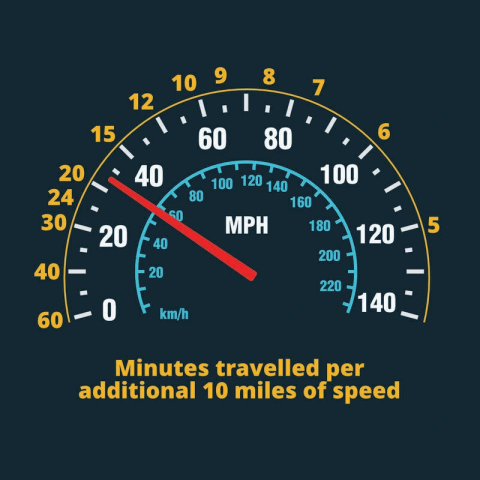
Let me begin with a simple concept: the speedometer vs. the paceometer. Many drivers instinctively assume their speedometer reflects a linear story: the faster you go, the shorter the journey. Speed is all you need.
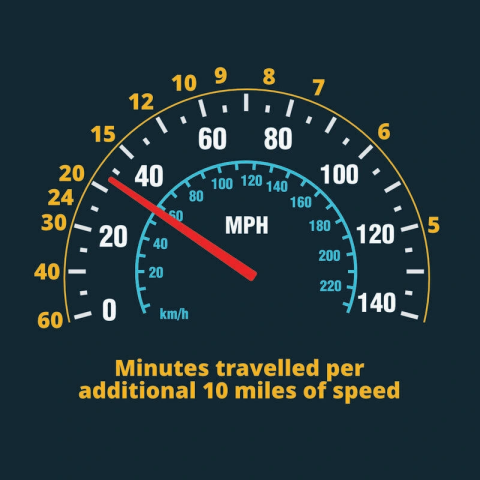
But the journey maths disagrees.
Here’s what a 10-mile trip looks like at different speeds:
- 20 mph → 30 minutes
- 40 mph → 15 minutes
- 60 mph → 10 minutes
- 80 mph → 7.5 minutes
- 100 mph → 6 minutes
See the pattern? As speed increases, the time saved per extra unit of speed (i.e., the change in the utility function) collapses. Jumping from 80 → 100 mph barely affects your arrival time.
Now, back to AI.
People look at the mismatch between explosive gains on LLM leaderboards and fairly unchanged corporate P&Ls (especially outside domains like coding and other modern build stacks) and conclude we’re in an “AI bubble.”
You hear things like: “95% of corporate generative AI pilots failed to deliver measurable business value — must be a bubble.” And yes, cases like 1bn+ pre-seed rounds for a pitch deck deserve scepticism. But overall? This isn’t a bubble sign. It’s a systems sign.
Recap
Most industries are still structurally equivalent to bumpy roads full of stops, starts, blockers and compliance bottlenecks. On a road like that, speeding up doesn’t help. Productivity comes from better roads, not bigger engines. AI is the speed. Organisations are the road. Right now, the road is the constraint. When organisational repaving finally happens — when workflows, incentives, processes, and tech stacks clear out the speed bumps — the productivity curve will have room to bend. And it will bend fast.